
Coolant System Design - Opinion

Devin

Supporter
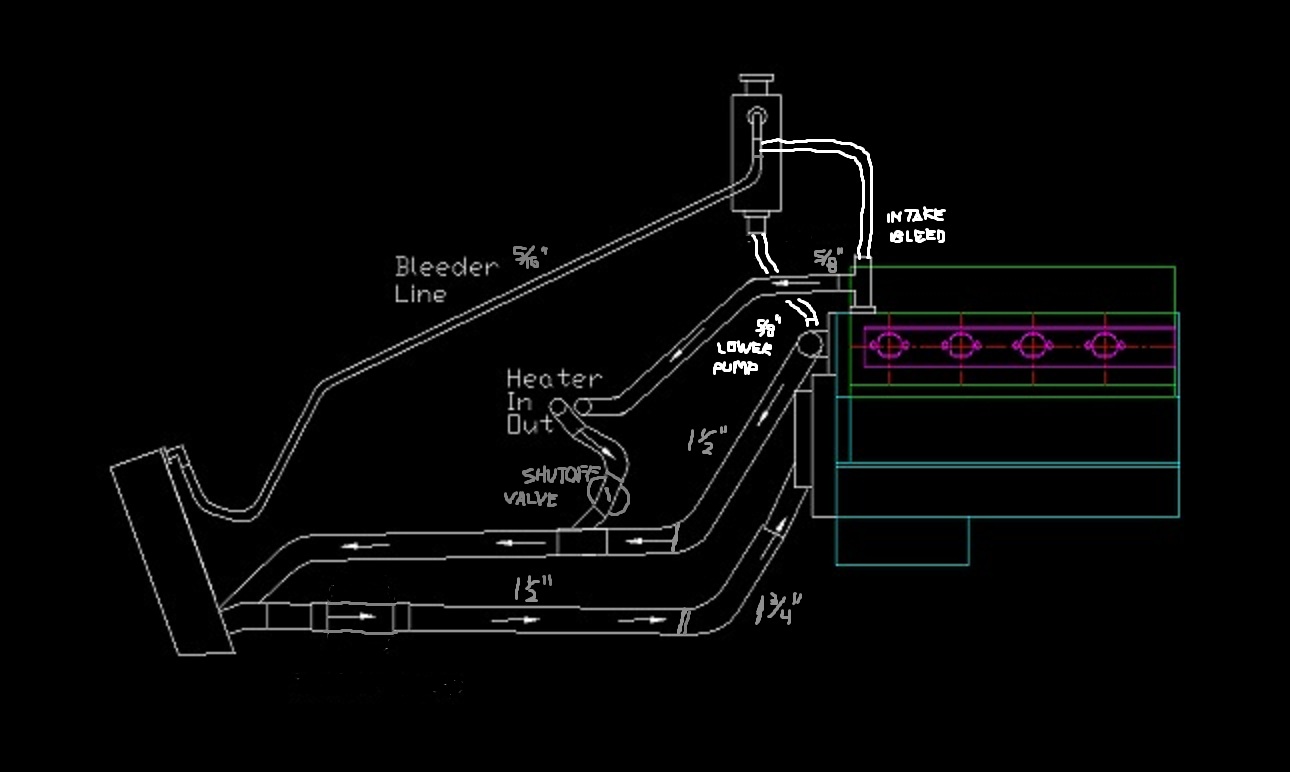
I’m at the execution stage of my engine install and time to fabricate the lines and fittings for the coolant system. After watching the threads over the years and a frantic search of diagrams and posts, I have modified the best diagram I could find that replicates my thoughts and plan for construction. Those that have opinions and/or experience please fire away.

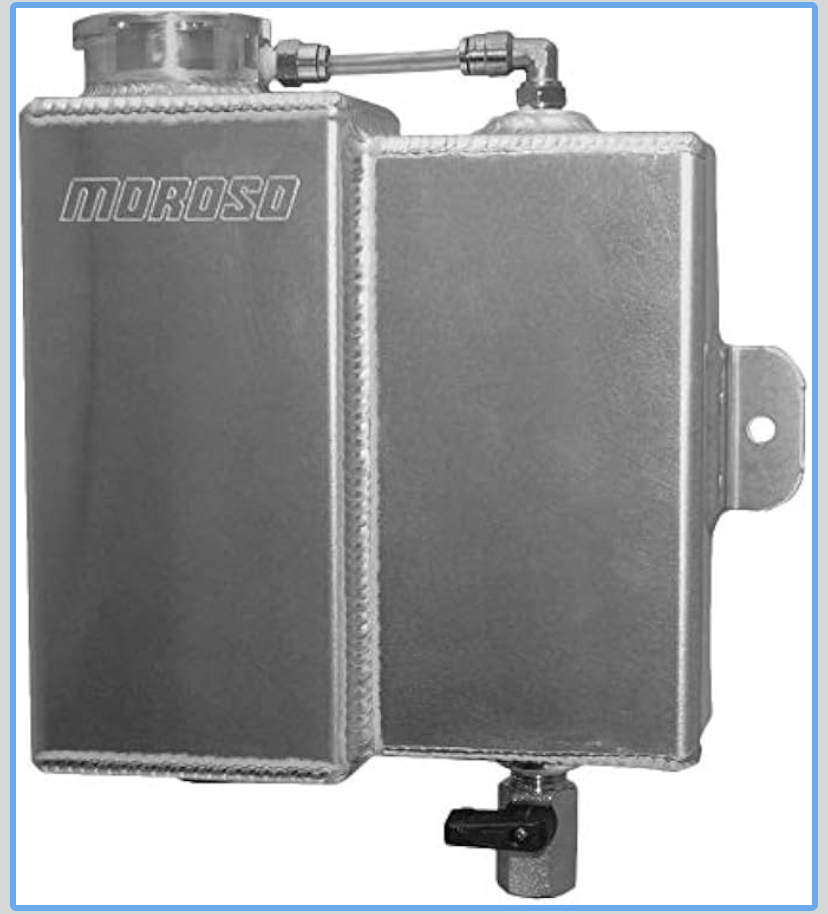
Where I could I noted the known outlet/inlet sizes so a few transition pieces will be needed. 45 degree turns will be maximized with as few 90s as possible. The Moroso expansion tank is a combined one with an overflow to save space and simplicity. The expansion tank upper fitting is 3/8 NPT and bottom 1/2 NPT.
GT40 cooling system - CHPmod2.jpeg

IMG_1773.jpeg
 

Lee Patterson

Supporter
Your hose sizes will also be dictated by the thermostat housing you plan to run. The 3/8" bleed hoses look right but I believe the connection from the water pump to the pressure tank should be 5/8". Remember the water pump also has a return hose back to the thermostat housing (not sure what motor you are using). Also not sure the cold and hot tubes need to be different sizes. This diagram may be of help. It's for a SPF.
1784056400640.jpeg
 

Kyle

GT40s Sponsor
In all my cars I’ve never run a line from the radiator all the way back. Just Open that valve slightly on the first fill and run. The air should self evacuate. Who cares if a little coolant leaks at first. Once the air is out you shouldn’t have to touch it again.
 

Devin

Supporter
Your hose sizes will also be dictated by the thermostat housing you plan to run. The 3/8" bleed hoses look right but I believe the connection from the water pump to the pressure tank should be 5/8". Remember the water pump also has a return hose back to the thermostat housing (not sure what motor you are using). Also not sure the cold and hot tubes need to be different sizes. This diagram may be of help. It's for a SPF. View attachment 154266

Lee, yes I believe I’ll run an adjustable 90 degree 1.5” thermostat housing with the 5/8” bypass that will route to the upper 5/8” water pump inlet tube. I left that off to keep the drawing a little more simple but thanks for thinking of that. I did draw from the drawing you included but the SPF expansion tank has more inlet options than my choice so just wanted to confirm that my intake bleed can T into the radiator bleed line. The other doubt in my mind was the lower expansion tank connection…to my best conclusion it’s going to tie into the other lower 5/8” water pump inlet.
 

Devin

Supporter
In all my cars I’ve never run a line from the radiator all the way back. Just Open that valve slightly on the first fill and run. The air should self evacuate. Who cares if a little coolant leaks at first. Once the air is out you shouldn’t have to touch it again.
Kyle I thought of that too but had an extra 5/16 line laying around and the little bit extra space in the center spine tunnel so said why not. The other piece I didn’t mention was to make provisions for a drain petcock in the lowest return tube that goes back to the lower water pump.
 

Lee Patterson

Supporter
Here is the SPF tank. The lower 5/8" line runs to the water pump. I believe you can 'T' your bleeds together if you only have one extra inlet? If it were me, I would plumb the heater just like the diagram. Not sure where you live, but who needs a heater
:) . Hope it helps.

1784065753284.jpeg
 

Devin

Supporter
If you engine is inclined nose down due to transaxle choice, you’ll need another bleed line from the rear of the inlet manifold.
I used 1 1/2” for both radiator pipes and had no issue in the tropics during the build up. Temp sits on the thermostat even waiting at lights with the aircon on.

Clayton
Thanks Clayton, good to know that 1.5” should be enough flow. My engine and intake are actually perfectly level so once I fill it with fluid, I’ll just Jack up the front a bit to ensure the front of the intake accumulates the air to my fitting that will bleed to the expansion tank.
 
Unless your radiator bleed line has a straight rise to the expansion tank, you will trap air in the radiator and affect cooling. On my mid engine builds, I drill and tap the highest point in the radiator for a small 1/8 npt bleeder. Dirt cheap. Works perfectly, just crack it open when you are bleeding the system, then basically forget about it. Crack it open again after a bit of driving to remove some residual air in the system, then I check for trapped air about once a year while the engine is running.
I did a similar thing on the line to my heater core in my Esprit (in-line bleeder) since it is a high point in the system.

https://shop.advanceautoparts.com/p/dorman-coolant-air-bleeder-screw-902-112/10014334-P


10014334_dor_902112_pri_larg.jpg
 
Back
Top